Pick a video you are curious about, then give a short part of it your full attention. You do not have to understand every word to begin.
Learn English with TED talks
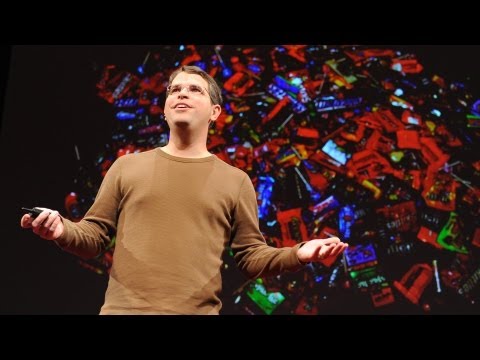
TED talks give you a clear topic and a speaker building an idea. Start with a short talk such as Matt Cutts on habits. Listen for phrases that connect examples, explain a reason or introduce a new point.
Hear everyday English in vlogs
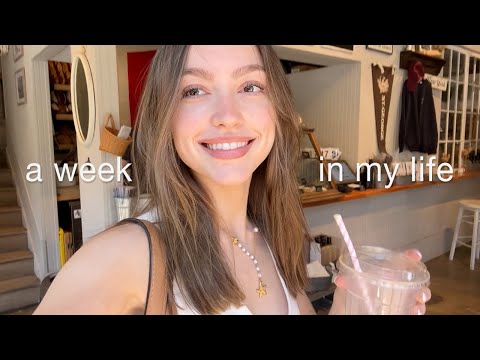
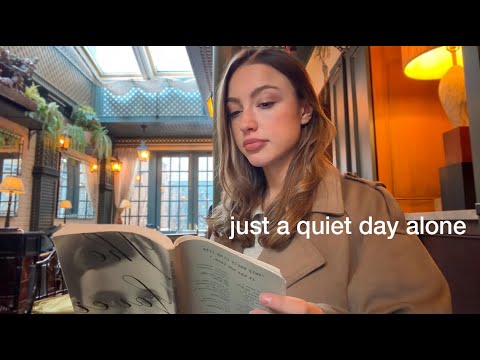
Daily vlogs put words next to real actions. A food vlog makes it easier to connect ingredients, cooking verbs and descriptions with what you see. Replay a short moment, then describe something from your own day.
Build listening confidence with stories
Children’s stories and read-aloud videos often repeat words and patterns. Follow the pictures, notice a familiar phrase and try saying it with the narrator’s rhythm. Familiar stories can make a second listen easier.
Hide the answers and recall each phrase from its situation. Each card keeps its meaning, example and note.
0 / 3phrases recalled this round
01 · From situation to expression
Guests are coming, and only a small amount of coffee is left. You are worried there will be none left before they arrive.
We might __________ coffee before the guests arrive.
Show the answer and usage
run out of
Have none of a supply left.
We might run out of coffee before the guests arrive.
After might, use the base form run. Keep of before the supply. Running out of coffee describes the coffee becoming unavailable; running out of a room describes leaving a place.
Evie describes a recurring problem with filming on her phone: its storage could fill up. Here would refers to something that sometimes happened in the past.
You walked along a wet path. Now there is mud all over the outside of your shoes.
After the walk, my shoes were __________ mud.
Show the answer and usage
covered in
Have a substance spread over a surface.
After the walk, my shoes were covered in mud.
Were agrees with the plural shoes; covered describes their state. Covered with also works with mud in this example. Keep the whole preposition phrase together.
Evie describes green moss growing over the old wall. She is describing its visible state.
You wanted to ask a question at a meeting but were unsure whether to interrupt.
I was __________ ask a question during the meeting.
Show the answer and usage
hesitant to
Unsure or reluctant about doing something.
I was hesitant to ask a question during the meeting.
Was places the feeling in the past. To is followed by the base verb ask. Hesitant describes uncertainty; it does not by itself mean that you refused or never acted.
Evie felt unsure about filming visitors at the show because she did not know whether they wanted to be in her video.
Hide the answers and recall each phrase from its situation. Each card keeps its meaning, example and note.
0 / 4phrases recalled this round
01 · From situation to expression
You wear black every day. Today, you want to try a different look.
I wear black every day. Today, I want to __________.
Show the answer and usage
switch it up
Make a change from a familiar approach or choice.
I wear black every day. Today, I want to switch it up.
Switch it up fits a change from a familiar choice. To make the change specific, add a sentence explaining it, such as trying a different shirt colour.
Sydney is considering changing the earrings she usually wears. It refers to the choice or habit being discussed; the jewellery story tells you what she wants to change.
You keep listening to the same three songs throughout the week.
These three songs are __________ this week.
Show the answer and usage
on rotation
Used, played or chosen regularly for a period of time.
These three songs are on rotation this week.
On rotation can also describe things or songs that you choose repeatedly. The context tells you whether you mean one favourite or a group of choices.
Sydney likes the new drink and expects to order it repeatedly for a while. Here, on rotation emphasises repetition and does not require a fixed schedule for alternating choices.
The show often sells out. You bought your tickets before the day of the performance.
The show sells out quickly, so I bought the tickets __________.
Show the answer and usage
in advance
Before the time when something happens.
I bought the tickets in advance.
In advance describes preparing before a particular event or time. In the new example, the tickets were bought before the show.
Sydney says she usually buys gifts before the occasion. In ends the transcript line at 6:46, and advance starts the line at 6:54, so listen to both lines together to recognise the whole phrase.
Your parcel has not arrived on time because it was delayed at the post office.
My parcel got __________ at the post office.
Show the answer and usage
held up
Delayed or kept somewhere so that the next step cannot happen on time.
My parcel got held up at the post office.
In got held up, got combines with held up to describe a delay. At the post office tells you where the delay happened, but does not explain its internal cause.
Sydney’s gifts did not arrive in time because they were delayed at the post office. Reading held up in isolation makes it easy to lose track of what was delayed and where.
Hide the answers and recall each phrase from its situation. Each card keeps its meaning, example and note.
0 / 4phrases recalled this round
01 · From situation to expression
You are tasting five dishes and want to avoid eating everything too quickly at the start.
There are five dishes to try, so I need to __________.
Show the answer and usage
pace myself
Control your speed or effort so you can keep going.
There are five dishes to try, so I need to pace myself.
Use pace after need to. Myself matches I; with you, say pace yourself. This expression is about managing your own pace, not walking back and forth in a room.
Sydney remembers she has several more coffees to taste and should not finish the first drink immediately.
The juice tastes much weaker than usual, as though someone added extra water.
The juice tastes __________.
Show the answer and usage
watered down
Weaker in flavour because it is diluted, or tasting that way.
The juice tastes watered down.
After tastes, watered down describes the drink. It can express your impression without proving how the drink was made. Water down can also mean weakening an idea, but this scene concerns flavour.
Sydney describes the second coffee as tasting diluted. The following caption says she has just received it, so she is not blaming ice left to melt for a long time.
The cake is mostly vanilla-flavoured, but you notice a small trace of lemon.
There is __________ lemon in this cake.
Show the answer and usage
a hint of
A small, noticeable amount of a flavour or quality.
There is a hint of lemon in this cake.
Keep a and of in the full phrase. Lemon supplies the flavour after of. A hint of is lighter than a strong lemon flavour, but it is not a numerical measurement.
At the last café, Sydney searches for a description and mentions a slight nutty flavour. She is describing taste, not confirming an ingredient list.
You slightly prefer the blue mug, but the green one is almost as good and ranks just behind it.
The blue mug is my favourite; the green one is a __________.
Show the answer and usage
close second
Second in a ranking, with only a small gap from first.
The blue mug is my favourite; the green one is a close second.
The article a is already in the sentence, so fill only close second. Close describes the small gap, not physical distance. For a tie, say they are tied for first instead.
In her final ranking, Sydney calls Plant Shed a really close second to her favourite. The phrase expresses a narrow preference, not a tie.
Hide the answers and recall each phrase from its situation. Each card keeps its meaning, example and note.
0 / 3phrases recalled this round
01 · From situation to expression
You found an interesting recipe and keep thinking about making it throughout the day.
That new recipe has been __________ all day.
Show the answer and usage
on my mind
Something you keep thinking about.
That new recipe has been on my mind all day.
Has been agrees with the singular subject recipe. On my mind describes the continuing thought; it does not specify whether the thought is happy or anxious. Change my to your when talking about the other person.
At breakfast, Sydney says she has been thinking about the bread since going to bed. Here the thought is pleasant anticipation, not necessarily worry.
You are at the door with your bag and tell a friend you are leaving for the café now.
I'm __________ to the café now.
Show the answer and usage
heading out
Leaving or about to leave a place.
I'm heading out to the café now.
Use heading after am in this sentence. To names the destination. Head out can describe leaving without naming a destination; it does not mean moving your head.
Sydney introduces her outfit as she is getting ready to leave for the day. The expression marks the move from being at home to going out.
At a café, you politely ask the server for a glass of water.
__________ a glass of water, please?
Show the answer and usage
Could I have
A polite way to request something.
Could I have a glass of water, please?
Could makes the request polite here; it does not place the order in the past. Put the item after have. This reusable request also works for a menu or a receipt.
At the café counter, Sydney orders a pumpkin spiced latte using a question with could. The request is about what she wants now.
Making dinner always takes you a long time. You want to find a way to finish sooner.
I need to __________ how to cook dinner faster.
Show the answer and usage
figure out
Find a way to do something or solve a problem by thinking about it.
I need to figure out how to cook dinner faster.
Use the base form figure out after need to. How to cook dinner faster names what you need to find a way to do. This is a new practice sentence, not a direct quote from the vlog.
Sydney has just said that cooking dinner took an hour. She needs another approach because she cannot keep spending that much time on it.
Hide the answers and recall each phrase from its situation. Each card keeps its meaning, example and note.
0 / 3phrases recalled this round
01 · From situation to expression
You always order the same tea and describe yourself as someone who prefers familiar routines.
I'm a __________: I order the same tea every morning.
Show the answer and usage
creature of habit
A person who likes doing familiar things in a regular way.
I'm a creature of habit: I order the same tea every morning.
Keep a before creature when describing one person. The whole expression describes a tendency; it does not literally compare someone to an animal. The earlier reversed word order is a spoken slip.
Sydney describes returning to the same places, then corrects her own word order to creature of habit. Learn the corrected expression.
Two errands need doing today. You want to say you will not delay those tasks.
I have two errands to do, and I don't want to __________.
Show the answer and usage
put them off
Delay doing the things already mentioned.
I have two errands to do, and I don't want to put them off.
Them refers to the two errands. With this phrasal verb, a pronoun goes between put and off: put them off, not put off them. The meaning here is postpone an action, not discourage a person.
Sydney has wanted to visit the fashion museum for a long time. She talks about finally doing things she keeps postponing.

 Bilingual practice