雨の日の英単語:4語を絵で学び、思い出す練習
A rainy day: learn four English words with pictures and recall
rain、jacket、umbrella、busを雨の日の外出で学習。日本語解説とイラストで意味をつかみ、最後は絵なしの穴埋めで復習しましょう。

出かけようとしたら雨が降ってきました。上着を取り、傘を持ってバスに乗ります。四つの単語を別々に覚えるより、想像できる、あるいは経験したことのある外出につなげてみましょう。
You are about to go out when it starts raining. You grab a jacket, take an umbrella and catch a bus. Put the four words into a trip you can imagine, or one you have actually taken.
季節を問わず、雨の日を話したいときのレッスンです。日本語の説明を先に読み、小さな英語の対訳で表現を確かめましょう。物語全体をすぐに暗記する必要はありません。
Use this lesson for a rainy day in any season. Read the Japanese first, then use the smaller English text to compare expressions. You do not need to memorise the whole story at once.
絵を見て、自分で思い出す
最初は絵と単語、短い表現をつなげます。次は答えを開く前に単語を言ってみましょう。最後は絵を外して、新しい状況の空欄を埋めます。絵に見覚えがあっても、話すときに単語を思い出せるとは限りません。
First, connect each picture to a word and a short phrase. Next, try saying the word before opening its answer. Finally, leave the pictures behind and complete new situations. Recognising a familiar picture does not guarantee that you can produce the word when speaking.
絵と言葉の説明、想起、間隔を空けた復習を組み合わせています。絵は最初の手がかりです。最後は状況から思い出せるかを試すため、絵を使いません。答えを確認する前に一度試しましょう。
This combines pictures and explanations with retrieval and spaced review. Pictures provide an initial cue; the final check deliberately removes them so you can retrieve words from context. Try an answer before checking it.
一つの場面で学ぶ
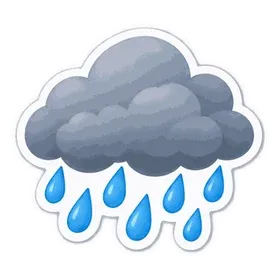 rain/reɪn/
1. 空を見る:rain
雨:雲から水滴となって降ってくる水。
in the rainのrainは名詞で、「雨の中」を表します。今の天気ならIt is raining.と言います。二つを混ぜてIt is rain.とはしません。
Rain is a noun in in the rain. To describe the weather now, say It is raining. Avoid combining the two patterns as It is rain.
Gotchaでこの単語を開く ↗I don’t want to walk in the rain.
雨の中を歩きたくありません。
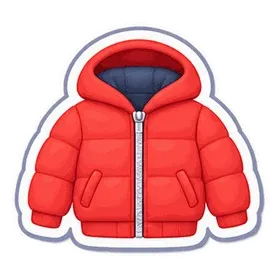 jacket/ˈdʒæk.ɪt/
2. 上着を用意する:jacket
ジャケット:上半身の服の上に着る、丈の短い上着。
jacketは短い上着です。take a jacketは持っていくこと、put on a jacketは着ることです。必ず防水とは限りません。雨よけのコートならraincoatという語もあります。
A jacket is a short outer garment. Take a jacket means bring one along; put on a jacket means dress in it. A jacket is not necessarily waterproof. A raincoat is specifically for rain.
Gotchaでこの単語を開く ↗Take a jacket. It’s a little cold.
上着を持っていって。少し寒いです。
 umbrella/ʌmˈbrel.ə/
3. 傘を持つ:umbrella
傘:折りたためる覆いと柄があり、雨をよけるために頭の上に差すもの。
umbrellaは傘です。語頭が母音/ʌ/なのでan umbrellaと言います。take an umbrellaは持参すること、open an umbrellaは開くこと。自分の傘を想像して一文作ってみましょう。
An umbrella keeps rain off you. Use an umbrella because the word begins with the vowel sound /ʌ/. Take an umbrella means bring it; open an umbrella means unfold it. Picture your own umbrella and make a sentence.
Gotchaでこの単語を開く ↗I always take an umbrella when it rains.
雨が降るときはいつも傘を持っていきます。
 bus/bʌs/
4. 移動方法を選ぶ:bus
バス:通常は決まった経路を走り、乗客を運ぶ大型の自動車。
交通手段を表すby busにはaを付けません。I go by bus.と言います。一方、特定のバスに乗り込む動作はget on the busです。二つは違う動作を表します。
Use by bus for the means of transport, without a: I go by bus. Use get on the bus when boarding a particular bus. The phrases describe different actions.
Gotchaでこの単語を開く ↗Let’s go by bus today.
今日はバスで行きましょう。
絵から思い出す
上の説明を見ず、答えを開く前に英語を言ってみましょう。
答えを見る
rain
I don’t want to walk in the rain.
答えを見る
jacket
Take a jacket. It’s a little cold.
答えを見る
umbrella
I always take an umbrella when it rains.
答えを見る
bus
Let’s go by bus today.
絵なしで思い出せますか?
上の絵を見ず、状況を読んで英単語を入力してみましょう。答えを開く前に一度試してください。読んだ直後の正解は練習の一回であり、長く覚えた証拠ではありません。
Leave the pictures above behind. Read each situation, type one English word, then check. Try once before opening the answer. Getting it right immediately after reading is practice, not proof of lasting memory.
1. 歩く予定でしたが、ひどい雨です。天気を表す名詞を入れましょう。
We stayed inside because of the heavy _____.
試してから答えを見る
We stayed inside because of the heavy rain.
2. 少し寒いので、出かける前に短い上着を着るよう伝えましょう。
Put on your _____ before we leave.
試してから答えを見る
Put on your jacket before we leave.
3. 雨をよける、柄と覆いのある物を入れましょう。anはすでに書かれています。
Can we share an _____?
試してから答えを見る
Can we share an umbrella?
4. 歩く代わりにバスを選びました。byの後に乗り物を入れましょう。
We can get there by _____.
試してから答えを見る
We can get there by bus.
次の復習へ
次に訪れたとき、例えば明日、答えを読む前にここを試しましょう。数日後には絵を見ず、自分の外出を一文で話します。忘れた単語は確認し、少し時間を置いて再挑戦しましょう。覚え具合に応じて間隔を調整できます。全員に共通の固定日程ではありません。
On your next visit, perhaps tomorrow, try this section before reading the answers. A few days later, describe your own trip without pictures. If you forget a word, review it and try again after a break. Adjust the spacing to what you remember; this is not a fixed schedule for everyone.