 二言語で練習
日常のVlog
Everyday phrases: running out, surfaces and hesitation
English with EvieのVlogの三つの場面でrun out of・covered in・hesitant toを学び、時刻付きメモと穴埋めで新しい場面に応用します。
English with Evie気になることから始めよう。物語、新しいアイデア、誰かの一日のひとこまを。

9本の動画
二言語で練習English with EvieのVlogの三つの場面でrun out of・covered in・hesitant toを学び、時刻付きメモと穴埋めで新しい場面に応用します。
English with Evie二言語で練習イギリスの田舎で過ごす春の一日。全編を二言語字幕で見たり、短い場面を聞き直したりできます。
English with Evie 二言語で練習
服選び、飲み物、贈り物の遅れ。三つの場面で四つの英語表現を練習。
Sydney Serena 二言語で練習
Sydney Serenaのカフェ巡りでpace myself、watered down、a hint of、close secondを学習。日本語の解説と時刻付き動画、英語の穴埋め練習を用意しました。
Sydney Serena 二言語で練習
Sydney Serenaの秋のVlogでon my mind、heading out、Could I haveを学習。時刻付き動画、日本語解説、英語の穴埋めで復習します。
Sydney Serena 二言語で練習
コーヒーと料理の短い場面で、状況と英語表現を結びつけましょう。
Sydney Serena 二言語で練習
creature of habit、ended up、put them offを日本語で解説。Sydney Serenaの新しいことを試す一日を聞き、状況別の英語穴埋めで復習します。
Sydney Serena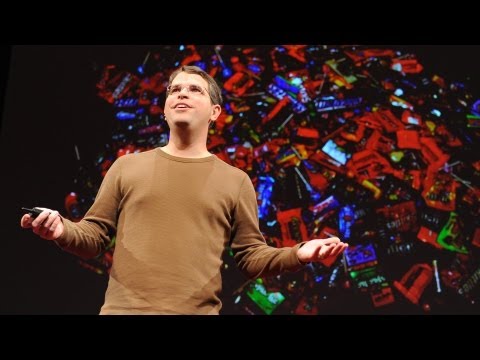 動画と学習メモ
小さな挑戦から新しい一歩へ。習慣や変化を語る英語を聞こう。
Matt Cutts · TED-Ed 動画と学習メモ
“tell”の別の使い方を知る、短い語彙レッスン。
BBC Learning English別のトピックを選ぶか、検索をリセットしてください。
気になる動画を選び、その中の短い場面に集中しましょう。最初からすべての単語を理解する必要はありません。
TEDには明確なテーマがあり、話し手が順序立てて考えを伝えます。まずはMatt Cuttsの習慣についての短いトークなどを選びましょう。具体例をつなぐ表現、理由を説明する表現、新しい論点を導く表現に注目します。
Vlogでは言葉と実際の動作を結びつけられます。食事の動画なら、食材や調理の動詞、味の表現を映像と一緒に確認できます。短い場面を聞き直したら、自分の一日についても言ってみましょう。
物語や読み聞かせには、同じ単語や型が繰り返し登場します。絵を追い、おなじみの表現に気づいたら、語り手のリズムで声に出してみてください。知っている物語なら、二度目はもっと聞き取りやすくなります。
短い部分を聞き、場面を確認してから、新しい状況で表現を使いましょう。
春の散歩の前にカフェへ。3:18〜3:35を聞き、意味を確認してから文字を見ずに聞き直しましょう。
忙しい一日の三つの場面:服装を変え、お気に入りの飲み物を語り、贈り物の遅れを説明します。
短い場面を一つ聞き、メモと想起練習に進みましょう。
短い場面を一つ聞き、メモと想起練習に進みましょう。
1:06〜1:33のコーヒーの場面から始め、次の文ボタンで6:54〜7:01の料理の場面へ進みましょう。
短い場面を一つ聞き、メモと想起練習に進みましょう。
答えを隠し、状況から表現を思い出しましょう。意味・例文・メモも確認できます。
Guests are coming, and only a small amount of coffee is left. You are worried there will be none left before they arrive.
We might __________ coffee before the guests arrive.
必要なものを使い切り、残りがなくなる。
Have none of a supply left.
We might run out of coffee before the guests arrive.
お客さんが来る前にコーヒーがなくなるかもしれません。
mightの後は原形runです。なくなるものの前にofを残します。run out of coffeeはコーヒーが尽きること、run out of a roomは部屋から走り出ることです。
After might, use the base form run. Keep of before the supply. Running out of coffee describes the coffee becoming unavailable; running out of a room describes leaving a place.
スマホでの撮影中、容量が足りなくなることがあったという話です。ここでのwouldは過去に時々起きたことを表します。
Evie describes a recurring problem with filming on her phone: its storage could fill up. Here would refers to something that sometimes happened in the past.
run out of + something you need
You walked along a wet path. Now there is mud all over the outside of your shoes.
After the walk, my shoes were __________ mud.
表面に物質などが広がり、覆われている。
Have a substance spread over a surface.
After the walk, my shoes were covered in mud.
散歩の後、靴は泥だらけでした。
複数のshoesにwereが対応します。coveredは状態を表します。この例ではcovered with mudも自然です。前置詞を含むまとまりで覚えましょう。
Were agrees with the plural shoes; covered describes their state. Covered with also works with mud in this example. Keep the whole preposition phrase together.
古い石垣に緑の苔が広がっている、目に見える状態を述べています。
Evie describes green moss growing over the old wall. She is describing its visible state.
be covered in + material on a surface
You wanted to ask a question at a meeting but were unsure whether to interrupt.
I was __________ ask a question during the meeting.
何かをするのをためらう、迷う。
Unsure or reluctant about doing something.
I was hesitant to ask a question during the meeting.
会議中に質問するのをためらっていました。
wasは過去の気持ちを示します。toの後は原形askです。hesitantだけでは、拒否したことや結局行動しなかったことまでは決まりません。
Was places the feeling in the past. To is followed by the base verb ask. Hesitant describes uncertainty; it does not by itself mean that you refused or never acted.
催しの来場者が動画に映りたいか分からず、撮影をためらったという場面です。
Evie felt unsure about filming visitors at the show because she did not know whether they wanted to be in her video.
be hesitant to + base verb
すべての表現を思い出せました。今日の自分について一文話し、後でもう一度復習しましょう。
答えを隠し、状況から表現を思い出しましょう。意味・例文・メモも確認できます。
You wear black every day. Today, you want to try a different look.
I wear black every day. Today, I want to __________.
いつものやり方や選択を変えること。
Make a change from a familiar approach or choice.
I wear black every day. Today, I want to switch it up.
毎日黒を着ています。今日はいつもと変えたいです。
itが何を指すかを意識しましょう。この練習ではいつもの選択を変える意味です。
Switch it up fits a change from a familiar choice. To make the change specific, add a sentence explaining it, such as trying a different shirt colour.
Sydneyは普段のフープピアスから違うものに変えようとしています。
Sydney is considering changing the earrings she usually wears. It refers to the choice or habit being discussed; the jewellery story tells you what she wants to change.
want to switch it up
You keep listening to the same three songs throughout the week.
These three songs are __________ this week.
お気に入りとして繰り返し選ぶこと。
Used, played or chosen regularly for a period of time.
These three songs are on rotation this week.
今週はこの3曲を繰り返し聞いています。
on rotationは繰り返し選ぶ物について使えます。必ず決まった交代順があるという意味ではありません。
On rotation can also describe things or songs that you choose repeatedly. The context tells you whether you mean one favourite or a group of choices.
新しい飲み物を気に入り、しばらくよく注文しそうだと話しています。
Sydney likes the new drink and expects to order it repeatedly for a while. Here, on rotation emphasises repetition and does not require a fixed schedule for alternating choices.
be on rotation
The show often sells out. You bought your tickets before the day of the performance.
The show sells out quickly, so I bought the tickets __________.
ある出来事より前に、あらかじめ。
Before the time when something happens.
I bought the tickets in advance.
チケットは前もって買いました。
in advanceは何かが起きる前に行うことです。この文ではチケットを使う日より前を表します。
In advance describes preparing before a particular event or time. In the new example, the tickets were bought before the show.
友人への贈り物を普段から早めに買うことについて話しています。
Sydney says she usually buys gifts before the occasion. In ends the transcript line at 6:46, and advance starts the line at 6:54, so listen to both lines together to recognise the whole phrase.
buy / book / prepare + something + in advance
Your parcel has not arrived on time because it was delayed at the post office.
My parcel got __________ at the post office.
事情があって遅れたり、進行を妨げられたりしたこと。
Delayed or kept somewhere so that the next step cannot happen on time.
My parcel got held up at the post office.
荷物が郵便局で遅れました。
heldはholdの過去分詞です。got held upで遅れが生じたことを表します。詳しい原因は文脈で確認しましょう。
In got held up, got combines with held up to describe a delay. At the post office tells you where the delay happened, but does not explain its internal cause.
早めに用意した贈り物が郵便局で遅れて、間に合いませんでした。
Sydney’s gifts did not arrive in time because they were delayed at the post office. Reading held up in isolation makes it easy to lose track of what was delayed and where.
get / be held up at + place
すべての表現を思い出せました。今日の自分について一文話し、後でもう一度復習しましょう。
答えを隠し、状況から表現を思い出しましょう。意味・例文・メモも確認できます。
You are tasting five dishes and want to avoid eating everything too quickly at the start.
There are five dishes to try, so I need to __________.
最後まで続けられるように、自分の速さや力の使い方を調整すること。
Control your speed or effort so you can keep going.
There are five dishes to try, so I need to pace myself.
五つ料理を試すので、自分のペースを調整する必要があります。
need toの後はpaceです。Iにはmyself、youにはyourselfを使います。ここでは自分のペースを調整する意味で、部屋を歩き回る意味ではありません。
Use pace after need to. Myself matches I; with you, say pace yourself. This expression is about managing your own pace, not walking back and forth in a room.
まだ何杯も試す予定なので、最初の一杯をすぐ飲み切らないように思い出しています。
Sydney remembers she has several more coffees to taste and should not finish the first drink immediately.
need to + pace myself
The juice tastes much weaker than usual, as though someone added extra water.
The juice tastes __________.
薄められた、または薄めたように感じる味。
Weaker in flavour because it is diluted, or tasting that way.
The juice tastes watered down.
このジュースは薄めたような味がします。
tastesの後で飲み物の状態を述べます。感想であって、作り方の証明ではありません。water downには内容を弱める意味もありますが、この場面は味です。
After tastes, watered down describes the drink. It can express your impression without proving how the drink was made. Water down can also mean weakening an idea, but this scene concerns flavour.
二軒目のコーヒーを薄く感じると話します。次の字幕で受け取ったばかりと言うので、長く置いた氷が溶けたせいだと説明しているわけではありません。
Sydney describes the second coffee as tasting diluted. The following caption says she has just received it, so she is not blaming ice left to melt for a long time.
taste / be + watered down
The cake is mostly vanilla-flavoured, but you notice a small trace of lemon.
There is __________ lemon in this cake.
わずかに感じ取れる風味や特徴。
A small, noticeable amount of a flavour or quality.
There is a hint of lemon in this cake.
このケーキにはほのかにレモンの風味があります。
aとofを含めて使います。ofの後に風味を置きます。強いレモン味より弱いニュアンスですが、数値の量を表す単位ではありません。
Keep a and of in the full phrase. Lemon supplies the flavour after of. A hint of is lighter than a strong lemon flavour, but it is not a numerical measurement.
最後の店で、少しナッツのような風味と表現します。味の説明であって、原材料にナッツがあると確認したわけではありません。
At the last café, Sydney searches for a description and mentions a slight nutty flavour. She is describing taste, not confirming an ingredient list.
a hint of + flavour / quality
You slightly prefer the blue mug, but the green one is almost as good and ranks just behind it.
The blue mug is my favourite; the green one is a __________.
一位との差がわずかな二位。
Second in a ranking, with only a small gap from first.
The blue mug is my favourite; the green one is a close second.
青いマグが一番好きで、緑のマグは僅差の二位です。
文にaがあるのでclose secondだけを入れます。closeは評価の差で、物理的な距離ではありません。同率一位ならtied for firstなどを使います。
The article a is already in the sentence, so fill only close second. Close describes the small gap, not physical distance. For a tie, say they are tied for first instead.
最後の順位でPlant Shedを一位にかなり近い二位と呼びます。僅差ですが、同順位ではありません。
In her final ranking, Sydney calls Plant Shed a really close second to her favourite. The phrase expresses a narrow preference, not a tie.
be + a close second
すべての表現を思い出せました。今日の自分について一文話し、後でもう一度復習しましょう。
答えを隠し、状況から表現を思い出しましょう。意味・例文・メモも確認できます。
You found an interesting recipe and keep thinking about making it throughout the day.
That new recipe has been __________ all day.
何度も考えていること、頭から離れないこと。
Something you keep thinking about.
That new recipe has been on my mind all day.
その新しいレシピのことを一日中考えています。
単数のrecipeにhas beenが対応します。on my mindだけでは楽しい考えか心配かは決まりません。相手について言うならmyをyourに変えます。
Has been agrees with the singular subject recipe. On my mind describes the continuing thought; it does not specify whether the thought is happy or anxious. Change my to your when talking about the other person.
朝食の場面で、寝る前からパンのことを考えていたと話します。ここでは楽しみにしている気持ちで、必ずしも心配ではありません。
At breakfast, Sydney says she has been thinking about the bread since going to bed. Here the thought is pleasant anticipation, not necessarily worry.
something + be / have been + on my mind
You are at the door with your bag and tell a friend you are leaving for the café now.
I'm __________ to the café now.
今いる場所から出かける、出ようとしていること。
Leaving or about to leave a place.
I'm heading out to the café now.
今からカフェへ出かけます。
この文ではamの後にheadingを使います。toは行き先を示します。head outは行き先を言わずにも使え、頭を動かす意味ではありません。
Use heading after am in this sentence. To names the destination. Head out can describe leaving without naming a destination; it does not mean moving your head.
その日の服装を紹介しながら、これから出かけると伝えます。家にいる状態から外へ移る場面です。
Sydney introduces her outfit as she is getting ready to leave for the day. The expression marks the move from being at home to going out.
be heading out + to a place / for an activity
At a café, you politely ask the server for a glass of water.
__________ a glass of water, please?
物を丁寧にお願いする言い方。
A polite way to request something.
Could I have a glass of water, please?
お水を一杯いただけますか。
ここでのcouldは丁寧な依頼で、過去の注文ではありません。haveの後に欲しい物を置きます。メニューやレシートにも応用できます。
Could makes the request polite here; it does not place the order in the past. Put the item after have. This reusable request also works for a menu or a receipt.
カフェのカウンターでcouldを使い、パンプキン風味のラテを注文します。今欲しい物をお願いしている場面です。
At the café counter, Sydney orders a pumpkin spiced latte using a question with could. The request is about what she wants now.
Could I have + noun phrase + please?
すべての表現を思い出せました。今日の自分について一文話し、後でもう一度復習しましょう。
答えを隠し、状況から表現を思い出しましょう。意味・例文・メモも確認できます。
You taste the soup and notice that the cook added more salt than it needs.
There is __________ salt in the soup.
状況に合う量を超えて多いこと。
More than is suitable for the situation.
There is too much salt in the soup.
スープに塩が多すぎます。
saltは不可算名詞なのでtoo muchを使います。味を述べるならThe soup is too salty.とも言えます。
Salt is an uncountable noun, so use too much. To describe the taste instead, you can also say The soup is too salty.
Sydneyのコーヒーはバニラが多すぎて甘くなりました。飲み物の具体的な問題を表しています。
Sydney says her coffee was too sweet because there was too much vanilla in it. The expression describes a specific problem with the drink.
too much + uncountable noun
The milk and cocoa are in the cup. Ask the other person to combine the two ingredients.
Put the milk and cocoa in a cup, then __________.
話題の物を混ぜ合わせること。
Combine the things being discussed.
Put the milk and cocoa in a cup, then mix them together.
牛乳とココアをカップに入れ、混ぜ合わせてください。
themはmilk and cocoaの代わりです。mixの訳だけでなく、混ぜる対象も一緒に覚えましょう。
Them stands for milk and cocoa. Remembering the things involved helps you understand the whole phrase instead of only recording the isolated verb mix.
themは二つのコーヒーを指します。Lizは甘味料なしを選び、Sydneyの甘すぎる一杯と混ぜます。
Them refers to the two portions of coffee. Liz chooses coffee without sweetener so they can combine it with Sydney’s overly sweet drink.
mix + things + together
Making dinner always takes you a long time. You want to find a way to finish sooner.
I need to __________ how to cook dinner faster.
考えて方法や解決策を見つけること。
Find a way to do something or solve a problem by thinking about it.
I need to figure out how to cook dinner faster.
夕食をもっと早く作る方法を考えたいです。
need toの後は原形のfigure outです。how to cook dinner fasterで考えたい方法を示します。これは練習用の新しい文で、動画の直接引用ではありません。
Use the base form figure out after need to. How to cook dinner faster names what you need to find a way to do. This is a new practice sentence, not a direct quote from the vlog.
夕食作りに一時間かかったSydneyは、時間をかけ続けられないため別の方法を考えたいと話します。
Sydney has just said that cooking dinner took an hour. She needs another approach because she cannot keep spending that much time on it.
need to figure out how to + action
すべての表現を思い出せました。今日の自分について一文話し、後でもう一度復習しましょう。
答えを隠し、状況から表現を思い出しましょう。意味・例文・メモも確認できます。
You always order the same tea and describe yourself as someone who prefers familiar routines.
I'm a __________: I order the same tea every morning.
いつものやり方や選択を好む人。
A person who likes doing familiar things in a regular way.
I'm a creature of habit: I order the same tea every morning.
私はいつもの習慣を好むタイプで、毎朝同じお茶を注文します。
一人を表すのでcreatureの前にaを置きます。全体で傾向を表し、動物に例えているわけではありません。動画の直前の逆の語順は言い間違いです。
Keep a before creature when describing one person. The whole expression describes a tendency; it does not literally compare someone to an animal. The earlier reversed word order is a spoken slip.
同じ店に通うことを話した後、語順をcreature of habitに言い直します。修正した表現を覚えましょう。
Sydney describes returning to the same places, then corrects her own word order to creature of habit. Learn the corrected expression.
be + a creature of habit
After changing your plans and asking for a recommendation, you finally went to a small café near the station. Retell the result in the past.
We __________ at a small café near the station.
いろいろな経緯の末に、ある場所や結果に至ったこと。
Reached a place or result after a sequence of events.
We ended up at a small café near the station.
私たちは結局、駅の近くの小さなカフェに行きました。
過去に完了した出来事なのでendedです。atの後には場所を置きます。動作ならend up+動名詞で、We ended up walking home.のように言います。
Use ended for the completed past event. At introduces a place. For an action, use end up + -ing, as in We ended up walking home, not end up to walk.
運動の後でおすすめのカフェを聞き、Paper Coffeeに行きます。店名は次の字幕に続きます。
After the class, Sydney asks someone for a café recommendation and goes to Paper Coffee. The place name continues in the next caption.
end up + at a place / doing something
Two errands need doing today. You want to say you will not delay those tasks.
I have two errands to do, and I don't want to __________.
すでに話した複数の事柄を先延ばしにすること。
Delay doing the things already mentioned.
I have two errands to do, and I don't want to put them off.
用事が二つあり、先延ばしにしたくありません。
themは二つの用事です。この句動詞では代名詞をputとoffの間に置きます。ここでは行動の延期で、人を嫌な気持ちにさせる別の意味ではありません。
Them refers to the two errands. With this phrasal verb, a pronoun goes between put and off: put them off, not put off them. The meaning here is postpone an action, not discourage a person.
前から行きたかったファッションの博物館について話し、先延ばしにしていることを実行しようとしています。
Sydney has wanted to visit the fashion museum for a long time. She talks about finally doing things she keeps postponing.
put + object / pronoun + off
すべての表現を思い出せました。今日の自分について一文話し、後でもう一度復習しましょう。
Try something new for 30 days.
1か月間、毎日一つの小さな活動を試してみましょう。動画でリスニングを練習したら、身につけたい習慣について話してみましょう。